Many people try to control their diabetes by eating less food. They reduce their meals, avoid snacks, and try to stay hungry for long hours. But even after eating so little, their blood sugar still stays high. This can feel confusing, but the truth is simple.
Blood sugar does not rise only because of the amount of food you eat. It also rises because of what you eat, how your body reacts to it, and how your daily routine affects your sugar levels. Let’s understand this in a very easy and friendly way.
Insulin Resistance: The Real Reason Sugar Stays High
Most people believe diabetes happens because the body does not make enough insulin.
This is true only for a small number of people (Type 1 diabetes).In most diabetics, insulin is already present in the body. The real problem is that the body stops responding to insulin. This condition is called insulin resistance.

Let’s understand this ..
What Does Insulin Actually Do?
Whenever we eat food that contains carbohydrates:
-
The food goes into the stomach
-
It breaks down into sugar (glucose)
-
This sugar enters the blood
Now, sugar cannot enter the body cells on its own. It needs a helper.That helper is insulin.
Insulin’s job is to:
-
Pick sugar from the blood
-
Carry it inside the cells
-
So the cells can use it as energy
Think of insulin as a delivery person carrying sugar bags from blood to cells.
How Insulin Resistance Develops
In the beginning, cells accept sugar easily. But over time, when we eat high-carb, high-sugar food again and again, the cells start getting overloaded.
Imagine this like a room:
-
You keep sending bags of sugar into the room
-
Slowly, the room gets full
-
At some point, the room says: “No more space”
So the door starts closing. This closed door is called insulin resistance.
When insulin comes with sugar:
-
The cell does not open
-
Sugar stays outside in the blood
What Happens Inside the Body Then?
Because cells are not accepting sugar:
-
Sugar keeps floating in the blood
-
Blood sugar levels go up
-
The pancreas thinks insulin is less
-
So it makes more and more insulin
Now instead of 1 insulin, the body releases 10, then 50, then even more — just to force sugar inside the cells.
This means:
-
High blood sugar
-
High insulin together
-
Body under constant stress
Still, sugar is not used properly.
Why Eating Less Does NOT Fix This Problem
This is very important to understand.
When insulin resistance is present:
-
Even small food raises sugar
-
Even light meals spike readings
-
Skipping meals does not help
Because the issue is not food quantity. The issue is how the body handles sugar.
That is why:
-
Eating less does not solve the problem
-
Staying hungry does not fix sugar
-
Skipping meals often makes things worse
Insulin Resistance Builds Slowly But Can Be Reversed
Insulin resistance does not happen in one day. It builds slowly over 10–15 years.
The good news is:
-
Insulin resistance is reversible
-
Cells can start listening to insulin again
This happens when:
-
Sugar load is reduced
-
Low glucose load foods are eaten
-
Insulin levels are allowed to come down
Low glucose load foods help:
-
Reduce sugar pressure on cells
-
Allow cells to open again
-
Improve sugar usage naturally
The Key Takeaway
Diabetes is not just about sugar. It is about insulin resistance. That is why improving insulin resistance is more important than eating less food.
When insulin resistance improves:
-
Sugar moves into cells
-
Blood sugar comes down
-
Energy improves
-
Diabetes becomes easier to manage
Eating right is the solution not starving.
Hidden Carbs in Normal Food
Many everyday foods look small in quantity but are very high in glucose load. Even half a roti or a small bowl of rice can increase blood sugar quickly.

Foods like:
-
Wheat roti
-
Rice
-
Biscuits
-
Namkeen
-
Tea-time snacks
This is why regular wheat atta rotis often raise sugar quickly, even in small portions.
Using a low glucose load atta like Diabexy Sugar Control Atta helps reduce sugar spikes while still allowing you to enjoy rotis as part of your meals.
Your Liver Releases Sugar When You Eat Less
When you skip meals or eat very little, your body feels that you may not get enough food. To protect you, the liver releases stored sugar into the blood.
This happens especially when:
-
You skip breakfast
-
You delay meals
-
You stay hungry for long hours
So even without eating, sugar can go up because your liver is doing the work.
Morning Sugar Spike: Dawn Phenomenon
Many people wake up with high fasting sugar, even without eating anything.
This happens because:
-
Early morning hormones rise
-
The liver releases extra sugar
-
The body becomes more insulin resistant in the morning
This is normal in diabetics, but you can manage it with a low glucose load dinner and light activity after dinner.
Stress, Less Sleep, and Dehydration
Your sugar can rise even if you eat very little when:
-
You sleep late
-
You feel stressed
-
You drink very little water
-
You are tired or anxious
Stress hormones make the liver release more sugar. Poor sleep also increases insulin resistance. Drinking less water makes the blood thicker and affects sugar readings.
Wrong Type of “Sugar-Free” Food (The Maltodextrin Problem)
Many people switch to sugar-free biscuits or cookies thinking they are safe for diabetes. But this is where a big mistake happens.

Most sugar-free packaged foods still contain:
-
Maida
-
Maltodextrin
-
Hidden sugars
-
High glucose load ingredients
Why Maltodextrin Is Dangerous for Blood Sugar
Maltodextrin is not sugar by name, but inside the body it behaves like sugar.
In fact:
-
Maltodextrin has a very high Glycemic Index (GI)
-
Its GI is often higher than white sugar
-
It breaks down into glucose very fast
This means when you eat food containing maltodextrin:
-
Blood sugar rises quickly
-
Insulin demand increases suddenly
-
Sugar spikes can happen even if the product says “sugar-free”
This is why many diabetics feel confused. They stop sugar, eat sugar-free biscuits, but their sugar readings still go up.
The problem is not sugar alone. The problem is high GI and high glucose load ingredients like maltodextrin.
Why Reading Ingredients Is More Important Than Labels
Words like “sugar-free” or “no added sugar” do not guarantee safety.
If a product contains maltodextrin or refined flour, it can raise sugar almost like normal biscuits.
That is why choosing low glucose load snacks is much safer than choosing food only based on “sugar-free” claims.
About Diabexy Snacks
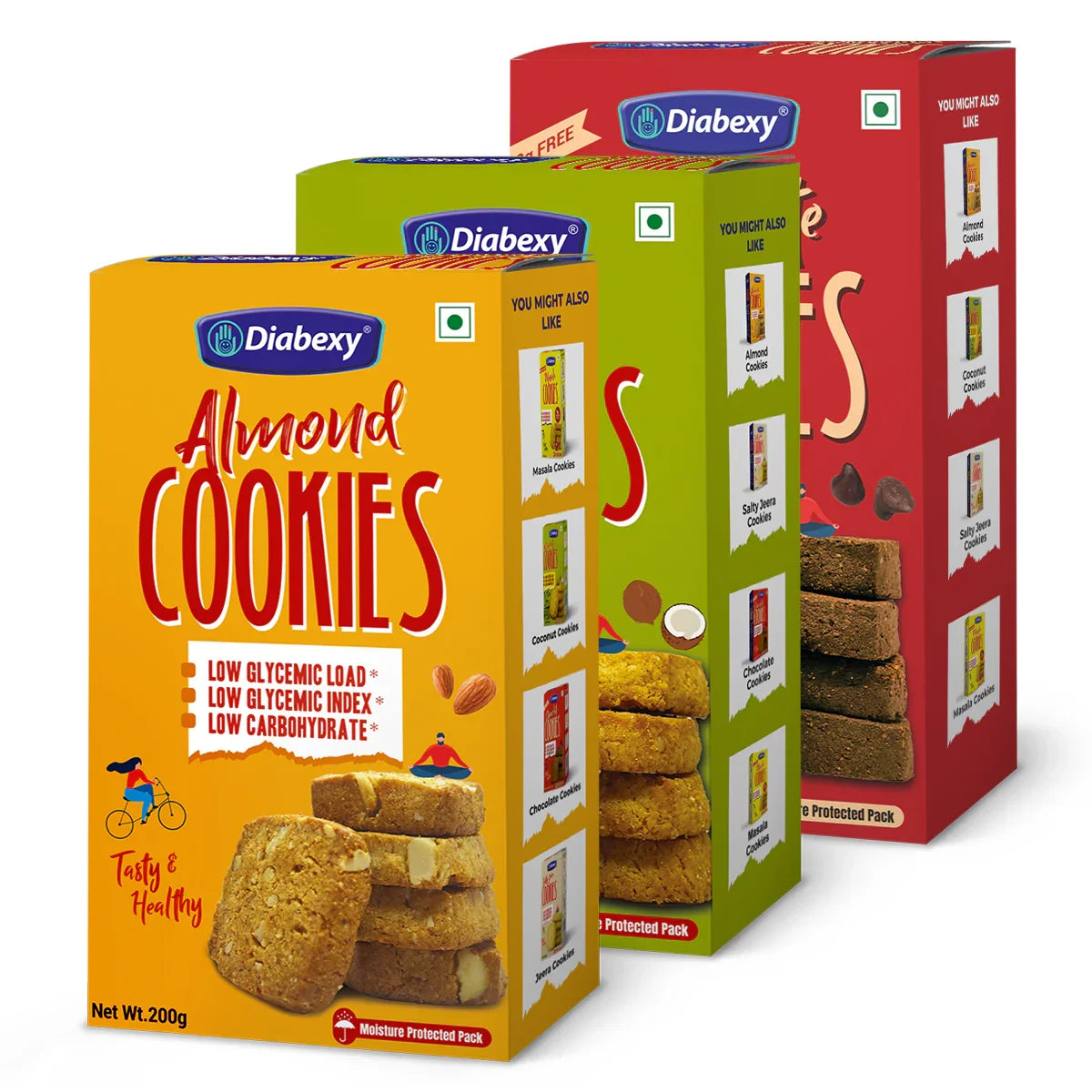
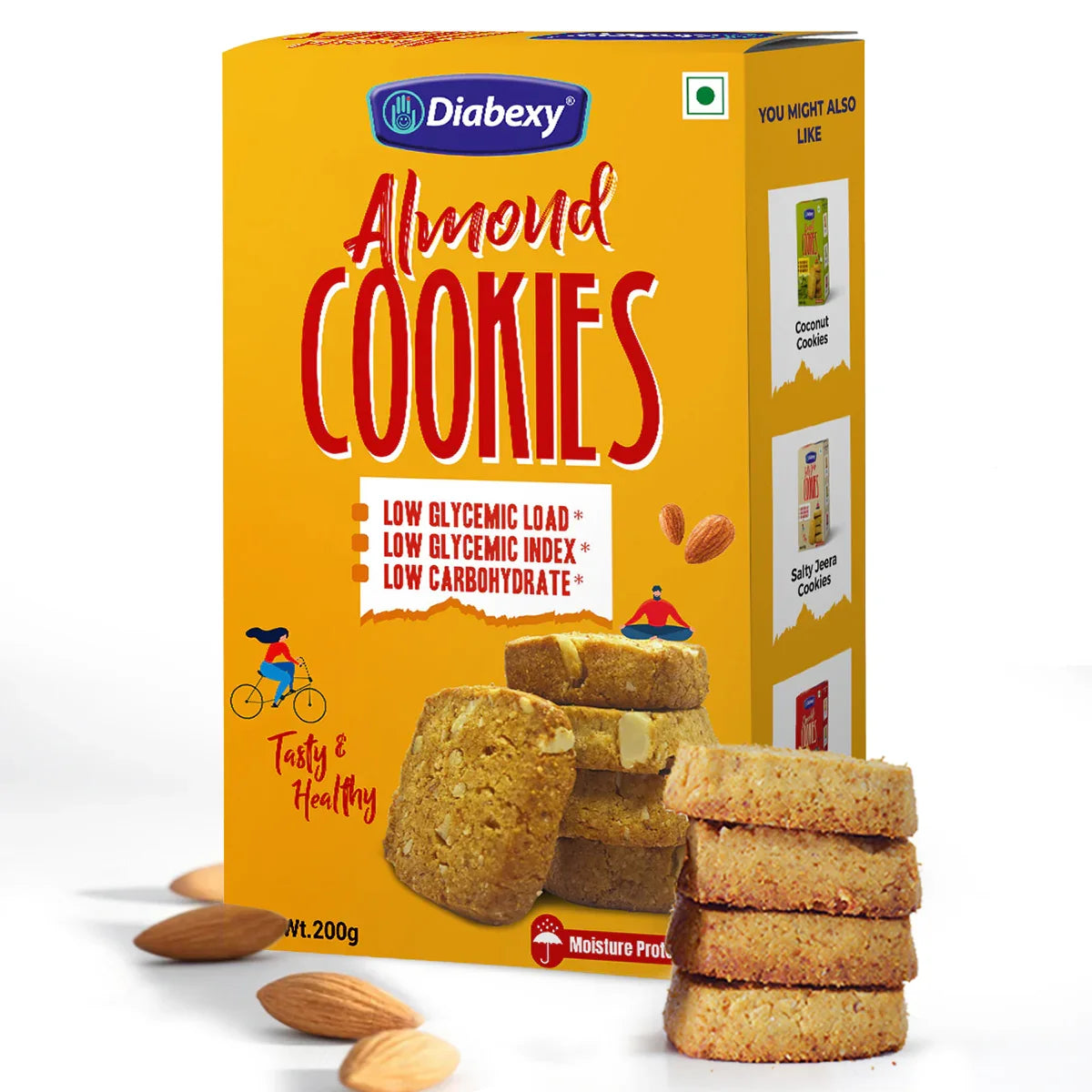
Diabexy Almond Cookies, Coconut Cookies, Chocolate Cookies, and Kaju Barfi are made:

-
Without maida
-
Without sugar
-
Without maltodextrin
-
Using low glucose load ingredients
Because of this, they help keep blood sugar more stable, especially during small hunger times between meals.
What You Can Do to Control Sugar Even When Eating Less

1. Eat Low Glucose Load (GL) Foods
Low glucose load foods can help control blood sugar levels as it doesn’t impact the blood sugar levels. They do not cause sudden sugar spikes like rice, regular wheat roti, biscuits, or namkeen which has a very high glucose load.
For Example: A normal wheat roti may look small, but 1 regular wheat roti (20g) has a high glucose load of around 10 comparatively to Diabexy Atta which has only 1.4 Glucose Load in 1 roti (20g).
This is why many diabetics see high sugar readings even after eating just 1 wheat roti.
So when you replace normal wheat atta with Diabexy Sugar Control Atta, the overall glucose load of the entire meal reduces significantly, even if you eat roti daily.
Examples of low GL foods:
-
Nuts and seeds (almonds, peanuts, walnuts)
-
Vegetables (lauki, tori, bhindi, cabbage, cauliflower)
-
Paneer, curd, eggs
-
Diabetic-friendly snacks made with low GL ingredients
2. Add Protein and Fibre in Every Meal (Protein + Vegetables = Best Combo)
Protein and fibre slow down digestion and sugar absorption.
Best rule to remember:
→ For every 1 part protein, eat 2 parts vegetables (1:2 ratio)
Example:
-
If you eat 100 g paneer or eggs → add 200 g vegetables
This combination:
-
Reduces sugar spikes
-
Improves digestion
-
Keeps you full for longer
When rotis made with Diabexy Sugar Control Atta (GL ≈ 7 per 100 g) are eaten along vegetables, the total glucose load of the entire meal stays much lower, making it more diabetes-friendly than a regular wheat roti meal.
3. Do a Short Walk After Each Meal
After eating, sugar enters the blood. If you move your body, muscles use this sugar as energy.
You can:
-
Walk for 10–15 minutes
-
Do light stretching
-
Do slow household work
4. Drink Enough Water (Very Important)
Lack of water makes blood thick and sugar readings higher.
Recommended quantity:
-
Minimum 3 litres per day
-
More if weather is hot or you sweat more
You can also include Diabexy alkaline water:
-
It supports better hydration
-
Helps reduce acidity
-
Helps muscles and cells work better
Sip water throughout the day, not all at once.
5. Sleep on Time
Late sleep increases stress hormones. These hormones tell the liver to release more sugar.
Try to:
-
Sleep before 10:30–11 pm
-
Wake up at a fixed time
-
Avoid mobile screens late at night
Good sleep improves insulin sensitivity and morning sugar levels.
6. Read Food Labels Carefully
Never trust front labels like:
-
“Sugar-free”
-
“Diabetic friendly”
-
“No added sugar”
Always read the ingredient list & Nutritional Value.
Avoid products containing:
-
Maida
-
Maltodextrin
-
Glucose syrup
-
Dextrose
If you are unsure how to read labels properly, there is a YouTube video available that explains label reading step by step. Use that method before buying any packaged food.
7. Avoid Maida-Based and Maltodextrin-Based Snacks
Maida and maltodextrin raise blood sugar very fast, even in small amounts.
What is Maltodextrin?
Maltodextrin is a white powder made from starch (usually corn, rice, or potato).
It is often added to “sugar-free” or “diabetic” foods to improve taste, texture, or shelf life.
Why Maltodextrin Is Dangerous for Blood Sugar

Very High Glycemic Index (GI)
Glycemic Index shows how fast a food raises blood sugar.
-
Maltodextrin has a GI of 85–110
-
White sugar has a GI of around 65
This means maltodextrin raises blood sugar much faster than sugar, even though it does not taste sweet.
Faster Sugar Spike Than Sugar
When you eat maltodextrin:
-
It does not need digestion
-
It quickly converts into glucose
-
Glucose enters the blood almost immediately
Because of this:
-
Blood sugar rises sharply
-
Insulin demand increases suddenly
-
Sugar readings spike quickly
This is why people feel confused; they avoid sugar but still see high readings.
Even Small Amounts Can Disturb Sugar Control
Maltodextrin is often used in small quantities, but because its GI is very high:
-
Even a small amount can spike sugar
-
Repeated use worsens insulin resistance
This makes it unsafe for regular use in diabetes.
What to Do Instead
Avoid snacks that contain:
-
Maida
-
Maltodextrin
-
Glucose syrup
-
Dextrose
Choose snacks made with low glucose load ingredients that release sugar slowly, such as:
-
Diabexy cookies (almond cookies, coconut cookies, chocolate cookies)
-
Diabexy Kaju Barfi
-
Nuts tarts made with low-GL ingredients
-
Plain nuts and seeds (almonds, peanuts, walnuts, pumpkin seeds, sunflower seeds)
These snacks:
-
Do not cause sudden sugar spikes
-
Keep insulin demand low
-
Help maintain stable blood sugar between meals
8. Understand EOE and the 12:12 Eating–Fasting Window
Many people think sugar control is only about what they eat. But when and how often you eat also matters a lot.That is where EOE and 12:12 eating–fasting come in.
What Is EOE (Episodes of Eating)?
EOE means Episodes of Eating.An episode of eating is any time you eat food that raises insulin, even a little.
For good sugar control:
-
You should have only 3 to a maximum of 4 eating episodes in a day
A healthy EOE pattern looks like this:
-
Breakfast
-
Lunch
-
Evening snack (optional)
-
Dinner
That’s it.
Constant nibbling, frequent chai with biscuits, small snacks again and again all these increase the number of eating episodes and keep insulin high all day.
More eating episodes =
→ More insulin release
→ More insulin resistance
→ Higher blood sugar

Why Fewer Eating Episodes Help Diabetics
When you reduce EOE:
-
Insulin gets time to come down
-
Cells become more sensitive to insulin
-
Sugar control improves naturally
This is why eating less frequently works better than eating small-small meals all day.
Early Dinner (Very Important for EOE)
EOE works best when dinner is early.
Try to:
-
Finish dinner by 7:30–8:00 pm
-
Avoid late-night eating after dinner
An early dinner:
-
Reduces night-time sugar release from the liver
-
Improves fasting sugar next morning
-
Supports better digestion and sleep
What Is the 12:12 Eating–Fasting Window?
12:12 is a simple and safe eating pattern.
It means:
-
Eat all your meals within 12 hours
-
Do not eat anything (except water) for the next 12 hours
Example:
-
First meal at 8:00 am
-
Last meal by 8:00 pm
From 8 pm to 8 am:
→ No food
→ Body rests
→ Insulin levels come down
Why 12:12 Is Safe for Diabetics
Unlike long fasting:
-
12:12 is gentle
-
Does not cause weakness
-
Does not cause hypoglycemia
It helps:
-
Reduce insulin resistance
-
Improve fasting sugar
-
Support long-term sugar control
Final Message
If your sugar is rising even when you eat less, it does not mean your body is failing. It simply means your body needs the right type of food, not less food. Focus on low GL foods and healthy snacks instead of starving yourself.
Eating less is not the solution. Eating right is the solution.