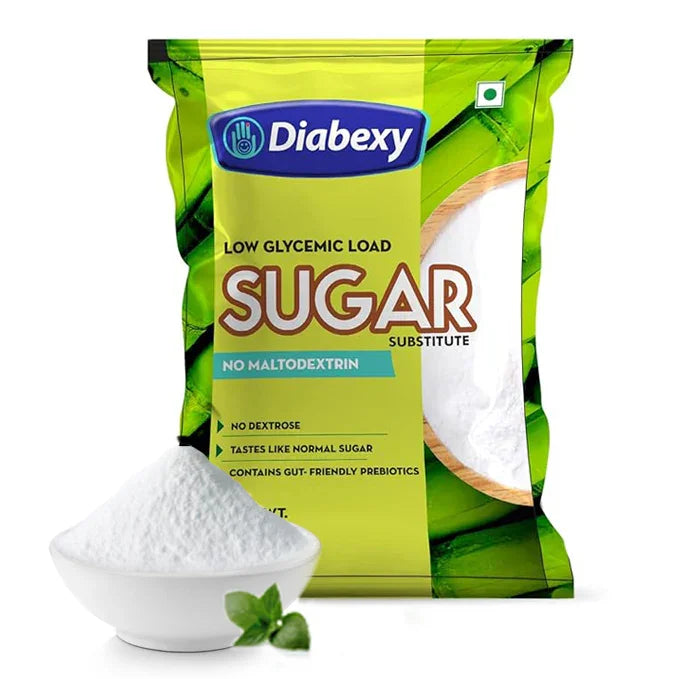
Today, almost every diabetic patient tries to be careful with food. People stop adding sugar to tea, avoid sweets, and consciously look for products that are “sugar-free” to control their blood sugar levels.
But the problem is this: Even after doing all this, many people still see high blood sugar readings.
Because Many products labeled “sugar-free” in the market are not truly sugar-free. They often contain ingredients like maltodextrin and sucrose, which can be even more harmful than regular sugar. Most food companies use this label in a way that makes the product appear sugar-free, but in reality, it does not help protect people with diabetes. To understand this properly, we need to go step by step, starting from the basics.
Blood Sugar vs Blood Glucose: Where the Confusion Starts

The biggest mistake begins with vocabulary
We commonly use the term blood sugar, but medically speaking, there is no sugar in the blood. What actually flows in the blood is glucose. Table sugar, which we call sugar, is technically called sucrose. Sucrose is made of two parts:
-
Glucose
-
Fructose
When we eat sugar, the glucose part directly raises blood glucose levels .So diabetes is not a problem of sugar, it is a problem of excess glucose in the blood.
That is why the correct question is not: “Is this product sugar-free?”
The correct question is: “Will this product release glucose in my body?”
If the answer is yes, then it can raise blood sugar even if the label says sugar-free.
What in Food Actually Raises Blood Sugar
Food contains many nutrients. Some people think calories matter most, some think sweetness matters. But for diabetes, the truth is very simple. Only carbohydrates raise blood glucose.
Let us understand clearly:
-
Fat does not convert into glucose
-
Protein does not directly spike blood sugar
-
Vitamins and minerals do not affect sugar
-
Water has no effect
Only carbohydrates break down into glucose. So any food that contains digestible carbohydrates has the potential to raise blood sugar, regardless of whether it tastes sweet or not.
Types of Carbohydrates

To understand sugar-free products, we need to understand carbohydrates in an easy way. Carbohydrates can be divided into four main types:
1. Simple sugars (Monosaccharides)
These include glucose and fructose. They enter the blood very fast and spike sugar quickly.
2. Double sugars (Disaccharides)
Examples include sucrose (table sugar) and lactose (milk sugar). They also break down into glucose after digestion.
3. Starches (Polysaccharides)
These are chains of glucose molecules joined together.
Examples:
-
Maltodextrin
-
Liquid glucose
-
Corn starch
-
Tapioca starch
They may not taste sweet, but after consumption, they break down in the body and convert into glucose.
4. Fiber
Fiber is also a carbohydrate, but the body cannot digest it into glucose. That is why fiber does not raise blood sugar and is very beneficial in diabetes. The real problem starts when companies remove sucrose but replace it with starch-based ingredients.
Maltodextrin: The Hidden Sugar Behind “Sugar-Free”

Maltodextrin is one of the most dangerous ingredients used in sugar-free products.
It is a white powder made from starch (corn, rice, or potato). It does not taste sweet, so companies feel safe using it and still writing “sugar-free” on the packet. But inside the body, maltodextrin behaves like pure glucose.
Important facts:
-
Maltodextrin has a very high glycemic index (85–110)
-
White sugar has a GI of around 65
-
Maltodextrin raises blood sugar faster than sugar
When you eat maltodextrin:
-
It needs almost no digestion
-
It breaks into glucose immediately
-
Glucose enters the blood very fast
That is why many diabetics feel confused. They avoid sugar but still see sudden sugar spikes.
Liquid Glucose and Dextrose: No Confusion Here
Some products are even more direct.Ingredients like liquid glucose and dextrose are pure glucose. Their glycemic index is 100. That means instant blood sugar rises.
Still, such products are sold under sugar-free labels because technically table sugar is not added.Legally correct. Medically unsafe.
Dates, Jaggery, and the “Natural Sugar” Trap
Many people believe natural sweeteners are safe.Dates, jaggery, coconut sugar, palm sugar all sound healthy. But diabetes does not understand “natural” or “artificial”. It understands glucose.
For example:
-
Dates contain around 75% carbohydrates
-
Almost half of that becomes glucose
-
Dates have a high glycemic index (~75)
Jaggery is even worse:
-
Around 90% carbohydrates
-
Mostly sucrose (glucose + fructose)
-
Higher glucose load than white sugar
So even if sugar is not added, blood glucose still rises.
Why Sugar-Free Labels Are Misleading
Food companies follow legal definitions. They do not focus on glucose behaviour.If sucrose is not added, they can legally write sugar-free. They are not required to explain how much glucose the food will release.
That is why words like:
-
Sugar-free
-
No added sugar
-
Diabetic friendly
Do not guarantee safety.Your body does not read labels. Your body reacts to glucose.
Calories vs Glucose Load: Another Big Mistake
Most people judge food only by calories. If a product says “low calorie”, they feel safe and assume it will not raise blood sugar. This thinking is very common, but for diabetes, it is incomplete and sometimes dangerous.
Calories only tell us how much energy or heat a food can produce inside the body. Calories do not tell us how much glucose that food will release into the blood.
This is why many diabetics get confused. They eat something low in calories, yet their sugar readings shoot up. On the other hand, they avoid some foods thinking they are high calorie, even though those foods may actually keep sugar stable.
In diabetes, the real concern is how much glucose enters the blood and how fast. That is exactly what glucose load explains.
How a Diabetic Should Choose Food
Instead of trusting front labels, always read ingredient lists.
Avoid foods that contain:
-
Maltodextrin
-
Liquid glucose
-
Dextrose
-
Corn starch
Prefer foods that are:
-
High in fiber
-
Contain nuts and seeds
-
Low glucose load
Knowledge protects better than labels.
Conclusion
Diabetes is not managed by avoiding sugar alone. It is managed by understanding how food behaves inside the body. Do not chase the word sugar-free. Chase foods that release less glucose and release it slowly.
When food choices become smarter, sugar control becomes easier. And when sugar control improves, life becomes healthier and calmer